Be yourself; Everyone else is already taken.
— Oscar Wilde.
This is the first post on my new blog. I’m just getting this new blog going, so stay tuned for more. Subscribe below to get notified when I post new updates.
Be yourself; Everyone else is already taken.
— Oscar Wilde.
This is the first post on my new blog. I’m just getting this new blog going, so stay tuned for more. Subscribe below to get notified when I post new updates.
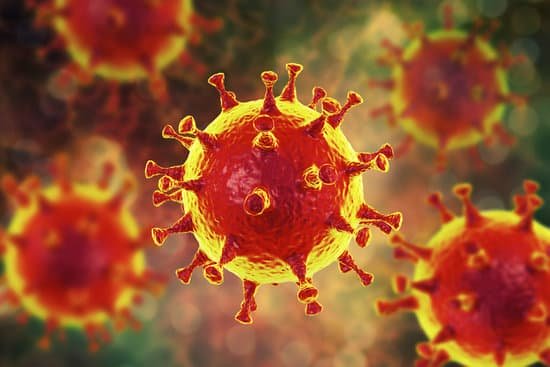
Corona virus is very contagious virus and people are thinking about it without any reason. It spreads through touching and has been announced as pandemic by the government of different countries. It is very reasonable for the people to think of this but they should not forget that medical and health care professionals are working hard over it, to treat it and find a vaccine for its treatment. Many US cities, Italy, France, Spain, and many cities of India are now getting shut down and they are under curfew.
People are exposed to a large quantity of information which is negative and is increasing the amount of anxiety in the general public. It is important to stay informed, but if it is creating a negative impact on a person or his mental health than, he and his family should stay away from the channels who are creating those negative effects.
Harvard epidemiology professor Marc Lipsitch told The Atlantic last week that around 40 – 70 percent of people can be affected with COVID -19. Some will have mild symptoms while others may be asymptomatic.
Dr. R.K Suri says that there is no need to get over panic. If COVID-19 is compared to other diseases it only has 2 percent mortality rate which is very low as compared to a more dangerous disease which was SARS 2012.
Impact of corona virus on health professionals
The California Department of Public Health agrees that it has a high transmission rate bur a low mortality rate. The international data which is presently available show that around 80 % of people don’t exhibits the symptoms of COVID-19.
CDC estimates that the symptoms occur in 2-14 days after the exposure of virus through coughing and sneezing. It mainly spreads through respiratory system of the human being. Signs include fever, cough and shortness of breath. Older adults are more prone as their immune system is very weak.
COVID-19 and anxiety
If you talk to 2 of your friends, both will have a different perspective about COVID-19. They may be ordering face masks in bulk or may be storing water or other daily amenities. This panic which is spread worldwide neither will nor manages the outbreak. A person has to stay calm and should follow official advice with maintaining a good hygiene around them.
The American Psychological society has advised to maintain a positive mental health during this outbreak and people should not make any kind of assumptions as to whom it may affect.
People should also assess the risk of COVID-19. According to Paul Slovic, how risk is conveyed determines how it’s interpreted. To feel less anxious people should go with the evidence and not the rumors’.
Minimizing risk of COVID-19and stay informed
According to CDC people should wash their hands on regular intervals to minimize the risk of COVID-19. Apart from this, people should cover their face while coughing and sneezing, they should stay home as much as possible, keep the surfaces clean and stay away from sick people.
Psychologically a person should:
The isolation, social distancing and quarantine is the recommendations as prevention strategy, at talktoangel clinic led by Dr R K Suri – leading Clinical Psychologist you should consult to have personalized support.
In a new study it has been found that medical health care professionals are experiencing a psychological burden due to COVID-19 pandemic. People who are finding it hard to stay at home due to this disease should imagine their life as a doctor or a nurse. They are working day and night for the patients. Some of them are also separating their loved ones and sending them far away. They cannot find a shield home from coronavirus also.
They are suffering from anxiety of caring of sick people as well as caring for their family. Because of these mixed feelings, they are feeling loneliness which is much higher than what you are feeling, Dr. R.K. Suri Says.
So you should not be surprised about them facing mental health problems such as depression, stress, anxiety and insomnia. A new study which is published in the journal of the American Medical Association, expressed this risk.
It is a survey which examined 1257, health care workers who were attending COVID-19 patients in 34 hospitals in china. It stated that 50% of health care workers were having the symptoms of depression, 45% were having anxiety symptoms, 34% for insomnia and 71.5% are having symptoms of psychological distress.
Another study of United States founds that depression, anxiety and insomnia appeared to be the common results of high stress which was faced by the health COVID-19.
The studied also founded that women and nurses were at a higher risk and reported severe symptoms because they were called to do extra emotional labor.
Medical health care professionals also are in fear that they may make their family sick because they were coming in close contact with the patients. They are experiencing a significant long term stress because they are at a higher risk of suffering from COVID 19.
In Italy also doctors were having psychological distress when they had to choose to shift the patient on ventilator. As this type of decision may be heart breaking.
Many of them were also watching the patients die in front of them. This could be traumatic. Some may also end up with post-traumatic stress disorder or some other mental problems.
Some tips to promote mental health are:
People should send extra support by praising them during the pandemic. They should be honored for such lifesaving works at their personal risk and stigmatization or stigmatizing language should be avoided.
Covering the health care professionals, sanitation worker, essential service providers be covered with good insurance sum by the Government.
Our best psychologists are here to listen to your concerns. Talk to our best psychologists free of cost click here

Bipolar disorder, previously known as manic depression, is a condition that can affect your mood, making it swing from one extreme to another. If you are suffering from bipolar disorder you will have episodes of depression during which you feel low and lethargic alternating with episodes of mania during which you feel high and overactive. Symptoms of bipolar disorder depend on which mood you experience at the time. Unlike mood swings, in bipolar disorder each mood can last for several weeks with some people not often experiencing a ‘normal’ or ordinary mood. According to Dr. R.K Suri best psychologist in delhi Bipolar Disorder Treatment requires patience as it takes time to get cured.
Here is guide for treatment of bipolar disorder which is given to patient. For more information on bipolar disorder click here
After diagnosis of bipolar disorder medicines are prescribed basically mood stabilizers as it helps in minimizing alternating high and low mood of patient which in turn helps in keeping symptoms under control.
In CBT, you examine how your thoughts affect your emotions. This therapy teaches you the art and craft of choosing your thoughts consciously, eliminating distracting or depleting feelings, identifying cues of negative thinking patterns, learning to use triggers to improve patterns of thinking.
Relationships and social support takes the patient a long way in healing and overcoming a psychological issue. So, we focus on building cooperative and healthy relationship of the client with few important people of her/his life. The client is taught social skills, conflict resolution and assertive techniques.
Basically known as daily routine it focuses on regulating daily habits like eating, sleeping, exercising, no alcohol or drugs usage and taking healthy diet. Scheduling daily activities helps in keeping bipolar disorder symptoms in control.
Here the whole family along with the client is educated about the disorder and its effects in daily life are explained in detail. Taking case studies of previous patients is an excellent way to build empathy for the client within the minds of the family members and friends. Family focused therapy addresses all issues within the family or marital life and focuses on restoring healthy and supportive home environment. Living with bipolar disorder is challenging but having strong support of family and friends is great motivation.
Doing yoga, massage or spa is great way to relax and calm down. It is advisable to patients to go for such relaxation depending upon symptoms.
Treatment of bipolar disorder depends upon type of disorder which patient is suffering from. A proper diagnosis is done to identify type of disorder. According to the type of bipolar disorder in which you fall medicine and treatment is prescribed by doctor.
BIPOLAR I DISORDER involves periods of severe mood episodes from mania to depression
BIPOLAR II DISORDER is a milder form of mood elevation, involving milder episodes of hypomania where one has elevated mood and more energy than usual but it’s not out of control.
CYCLOTHYMIC DISORDER is comprised of brief periods of depressive symptoms alternating with brief periods of hypomaniac symptoms.
For free assessment of bipolar disorder click here
For online consultation and chat with best psychologist click here
Do you often try to avoid certain situations where you need to go out of your city, home, or sometimes your room or bed? Have you ever wondered why do you feel scared of coming out of your comfort zone? This could be Agoraphobia.
Agoraphobia is not laziness or being lethargic, it is a certain fear inside you which pulls you off from going out to the places. Understanding Agoraphobia is important and early detection of it might help you save a lot time spend in curing it. According to Dr. R.K Suri an acute and highly intense Agoraphobia might take as long as 3 years to cure. Differentiation between Agoraphobia and regular laziness must be emphasized and understood as Agoraphobia is a serious psychiatric condition whereas the laziness is a normal behavioural condition which can never develop into Agoraphobia. Psychowellness Center, presents these 5 symptoms which can help in early detection of Agoraphobia.
If you feel any of the above-mentioned symptoms, you better have a chat with your counsellor. Early detection of this mental issue can help psychologists to cure it fast. Dr. R.K. Suri has more than 36 years of clinical psychology experience and has expertise in handling of such issues.
Chat or talk online with best psychologist and psychiatrists by clicking here
For free psychological assessment click here
Addiction is a prolonged disorder with social, psychological, biological, and environmental factors influencing its development and continuance. Thus, an individual in addiction state engages in use of a substance or in a behavior for it’s rewarding effects and repeatedly pursues the behavior despite harmful consequences. For example, smoking creates nicotine addiction and the addict wants to repeatedly experience the effect of nicotine even when he/she has received negative consequences like risk of cardiovascular disease, cancer, etc. Addiction requires proper attention and best psychologist in order to get cured.
1.Substance Abuse – It is described as repetitive use of a substance in a way that is damaging for an individual and can lead to dependence on the substance. Dependence involves developing a tolerance for the substance over time which means that to have the same effect that s/he had in the past they need to keep increasing the dosage of the substance. Examples of substances that are often misused include:

2.Behavioural addictions – Behaviors can also become addictive. Similar to substances, behaviours become addictive when used excessively to help the person cope with difficult thoughts and feelings. Examples of addictive behaviours include compulsive shopping, gambling, pornography, internet, eating and others.
3.Internet Social Media Addiction– The usage of Whats app, FB, Twitter, etc., and excessively getting hooked to social media, which is quite common these days.Also there is a phobia named Nomophobia which is fear of being away from your phone. Addiction to social media may lead to Nomophobia also for some.
There is a strong relationship between one’s emotions and the social, personal and intimate relations. Mood affects by social interactions. in a bad mood, everything looks bleak, including relationships. However, when one is clinically depressed, situation becomes a lot complicated.
Studies indicate that people with major depressive disorder have higher levels of distress in relationships; feel that their marriages are less satisfactory. They have a tendency to blame their partners when things go wrong, and they tend to shut down emotionally instead of reach out and connect. Their partners, hence, feel more emotionally burdened and distressed themselves.
Depression affects the sexual performance of an individual. This is because the brain is the body’s most sensitive “sex organ” as the pituitary gland stimulates the sex organs; ovaries and testes to produce the sex hormones in males and females. Chemicals in the brain called neurotransmitters help brain cells communicate with each other in order to stimulate blood flow to the sex organs. In a person with depression, these chemicals are out of balance which results in low or nonexistent sexual desire. The sexual function and pleasure is further interfered by the strain that depression puts on relationships. It can become difficult to maintain a supportive and fulfilling relationship.
Antidepressants are do have some side effects and some time affect the sexual drive of the person. For both men and women, sexual problems can mean being unable to initiate, participate fully in, or enjoy sex, can lead to a loss of self-confidence that can, in turn, slow down depression recovery. However the sexual side effects of antidepressant medicines can be managed with the guidance of the doctor without compromising the treatment.
COPING WITH PROBLEMS AND KEEPING RELATIONSHIP HEALTHY
Despite the challenges, it is possible to keep a relationship healthy when depression intervenes. Although every relationship and the experience of issues related to depression are different, there are some strategies that one can use to deal with them.
This is an example post, originally published as part of Blogging University. Enroll in one of our ten programs, and start your blog right.
You’re going to publish a post today. Don’t worry about how your blog looks. Don’t worry if you haven’t given it a name yet, or you’re feeling overwhelmed. Just click the “New Post” button, and tell us why you’re here.
Why do this?
The post can be short or long, a personal intro to your life or a bloggy mission statement, a manifesto for the future or a simple outline of your the types of things you hope to publish.
To help you get started, here are a few questions:
You’re not locked into any of this; one of the wonderful things about blogs is how they constantly evolve as we learn, grow, and interact with one another — but it’s good to know where and why you started, and articulating your goals may just give you a few other post ideas.
Can’t think how to get started? Just write the first thing that pops into your head. Anne Lamott, author of a book on writing we love, says that you need to give yourself permission to write a “crappy first draft”. Anne makes a great point — just start writing, and worry about editing it later.
When you’re ready to publish, give your post three to five tags that describe your blog’s focus — writing, photography, fiction, parenting, food, cars, movies, sports, whatever. These tags will help others who care about your topics find you in the Reader. Make sure one of the tags is “zerotohero,” so other new bloggers can find you, too.

 Psychowelness Center | A multi speciality mental health clinic with best psychologist in delhi